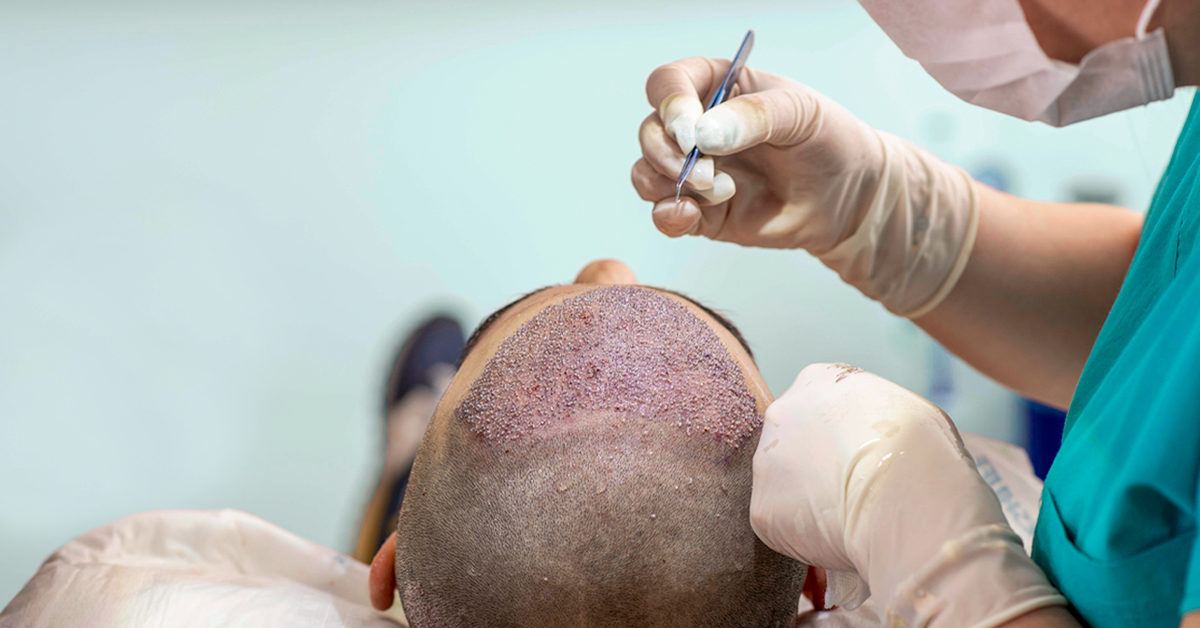
The Key To Successful Hair Transplants In The UK
Hair transplants have become an increasingly popular solution for individuals experiencing hair thinning or pattern baldness. In the UK, advancements in medical technology and improved surgical techniques have made hair restoration procedures safer and more natural-looking than ever before. However, achieving successful results depends on more than simply booking an appointment at a clinic.
Choosing the right specialist, understanding the available techniques, and preparing properly for the procedure all play vital roles in the outcome. Patients who educate themselves about the process tend to experience smoother recoveries and more satisfying results. Since hair restoration is both a medical and aesthetic procedure, careful planning and realistic expectations are essential.
Understanding the key factors behind successful hair transplants in the UK helps individuals make informed decisions and approach the process with confidence and clarity.
Choosing a Qualified and Experienced Surgeon
One of the most important factors in successful hair transplantation is selecting a qualified surgeon. In the UK, reputable practitioners should be registered with the General Medical Council (GMC).
Experience significantly influences results. Surgeons who specialize in hair restoration procedures are more likely to deliver natural hairlines and balanced density.
Within trusted lifestyle health and aesthetic treatment guidance, researching credentials and clinic reputation ensures patient safety and quality outcomes.
Consultations provide opportunities to review before-and-after photos and discuss realistic expectations.
Understanding FUE and FUT Techniques
The two most common techniques are Follicular Unit Extraction (FUE) and Follicular Unit Transplantation (FUT). FUE involves extracting individual follicles and implanting them into thinning areas.
FUT, sometimes called strip surgery, removes a small section of scalp from which follicles are harvested. Each method offers advantages depending on hair type and desired density.
Understanding procedural differences allows patients to choose the option that best suits their needs.
Informed decisions lead to better long-term satisfaction.
Setting Realistic Expectations
Hair transplant results develop gradually over several months. Immediate density should not be expected, as transplanted follicles enter a temporary shedding phase before regrowth.
Patients must understand that outcomes vary based on donor hair quality, scalp condition, and overall health.
Within broader personal confidence and modern self-care solutions, realistic expectations reduce disappointment and enhance satisfaction.
Open discussions with surgeons help align goals with achievable results.
Pre-Procedure Preparation and Health Assessment
Preparing for surgery includes following medical advice regarding medications, smoking cessation, and scalp care.
A thorough health assessment ensures the patient is suitable for the procedure. Chronic conditions or medications may influence surgical planning.
Following pre-operative guidelines minimizes risks and supports smoother recovery.
Proper preparation contributes to overall procedural success.
Post-Procedure Care and Recovery
After the transplant, proper aftercare is essential. Patients are typically advised to avoid strenuous activity, protect the scalp, and follow prescribed washing routines.
Mild swelling or redness is common during the initial recovery phase. Adhering to follow-up appointments ensures progress is monitored effectively.
Consistent care promotes optimal graft survival and healthy regrowth.
Patience during recovery supports long-term satisfaction.
Evaluating Cost and Long-Term Value
Hair transplant costs in the UK vary based on clinic reputation, surgeon expertise, and the number of grafts required. While affordability is important, extremely low prices may compromise quality.
Viewing the procedure as a long-term investment in appearance and confidence provides perspective.
Transparent pricing and detailed consultations help avoid hidden fees.
Balancing cost with expertise ensures safe and lasting results.
Conclusion
Successful hair transplants in the UK depend on careful research, qualified medical professionals, informed decision-making, and consistent aftercare. From selecting an experienced surgeon and understanding procedural options to setting realistic expectations and committing to post-operative care, each step plays a vital role in achieving natural and lasting results. While cost considerations are important, prioritizing quality and safety ensures long-term satisfaction and confidence. With advancements in hair restoration technology and professional standards, individuals now have access to reliable solutions for hair loss. By approaching the process with knowledge and preparation, patients can significantly improve their chances of achieving successful and aesthetically pleasing outcomes.