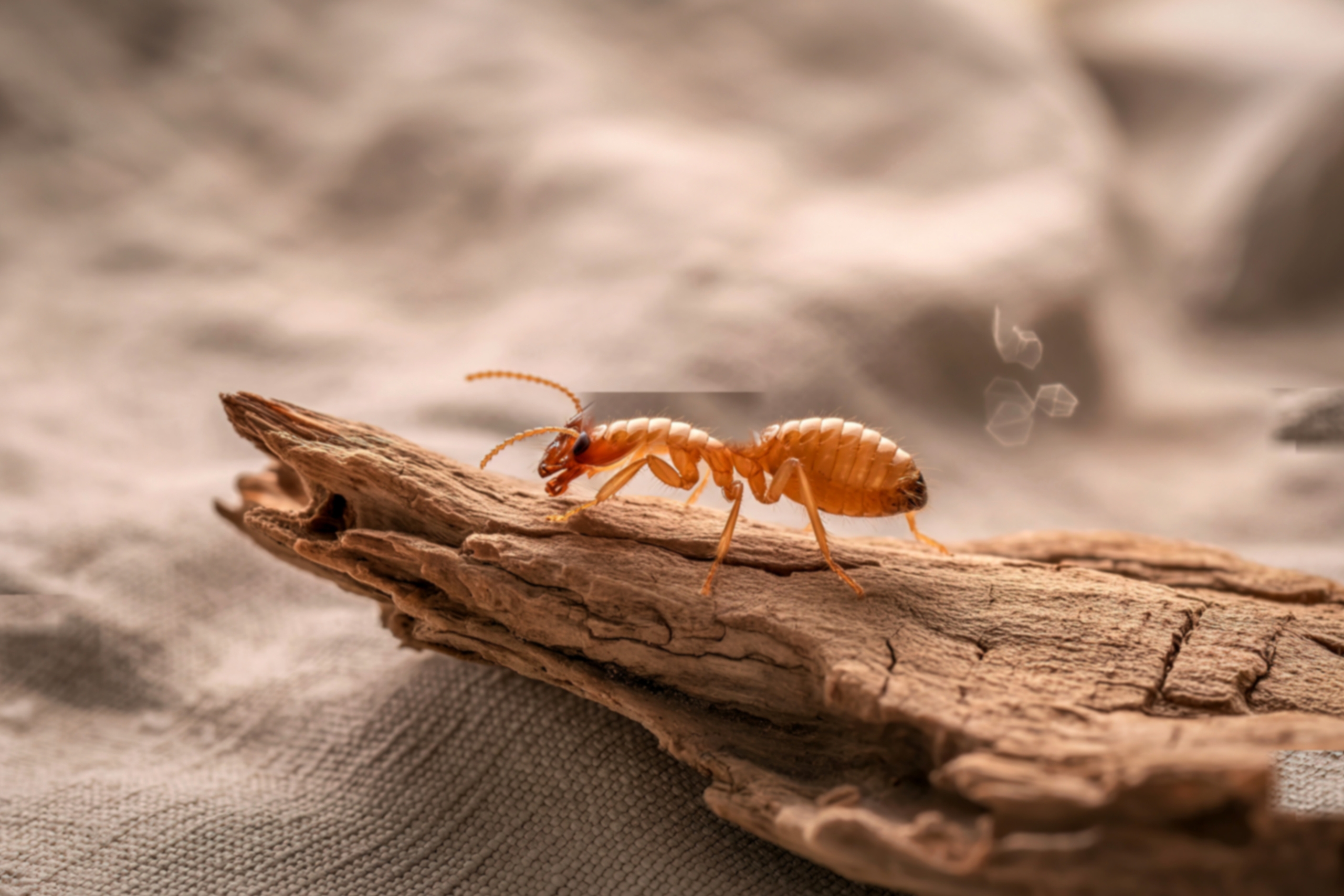
How To Protect Your Wooden Furniture from Termite Attacks: Prevention And Long-Term Care Guide
Wooden furniture adds warmth, elegance, and durability to any home. However, it is also vulnerable to one of the most destructive household pests—termites. These tiny insects can silently damage furniture from the inside out, often going unnoticed until significant structural harm has already occurred. Protecting wooden pieces from termite attacks is essential for preserving both their appearance and longevity.
Termites thrive in environments where moisture and untreated wood are present. Without preventive measures, cabinets, tables, bed frames, and other wooden furnishings can become easy targets. Early detection and consistent maintenance are key to minimizing risk.
Understanding how to safeguard wooden furniture from termites allows homeowners to avoid costly repairs and replacements. With proper care, preventive treatments, and environmental control, valuable furniture can remain strong and visually appealing for years.
Understand Why Termites Target Wooden Furniture
Termites feed primarily on cellulose, a natural component found in wood. Wooden furniture provides an accessible and stable food source, especially if it is untreated or exposed to moisture.
High humidity and poor ventilation create ideal conditions for termite infestation. Furniture placed directly against damp walls or floors is particularly vulnerable.
Within essential furniture care and home protection strategies, recognizing risk factors helps homeowners take preventive action early.
Understanding termite behavior supports proactive prevention rather than reactive repairs.
Keep Furniture Dry and Well-Ventilated
Moisture control is one of the most effective defenses against termites. Keeping rooms properly ventilated reduces humidity levels that attract pests.
Avoid placing wooden furniture in direct contact with water sources such as leaking pipes or damp basements. Using dehumidifiers in humid climates further minimizes risk.
Regularly checking for condensation or water damage prevents hidden infestations.
Maintaining dryness significantly lowers termite attraction.
Apply Protective Wood Treatments
Treating wood with termite-resistant solutions enhances durability. Chemical treatments, wood sealants, and anti-termite coatings create protective barriers.
Professional-grade preservatives penetrate deeper into the wood, offering longer-lasting protection.
Within practical long-lasting wooden furniture maintenance solutions, preventive treatments extend furniture lifespan.
Reapplying treatments periodically ensures continuous protection.
Conduct Regular Inspections
Routine inspections help identify early signs of termite activity, such as hollow sounds when tapping wood, small holes, or discarded wings.
Catching infestations early reduces structural damage and repair costs.
Professional pest inspections provide thorough assessments, especially in high-risk areas.
Consistent monitoring prevents severe long-term damage.
Maintain Clean Surroundings
Cluttered spaces and wood debris near furniture increase termite risk. Removing cardboard boxes and unused wood pieces reduces attraction.
Cleaning furniture regularly prevents accumulation of dust and organic material.
Keeping storage areas organized limits hidden nesting spots.
A tidy environment supports pest prevention efforts.
Seek Professional Pest Control When Necessary
If signs of infestation appear, contacting professional pest control services is essential. DIY treatments may not eliminate colonies effectively.
Experts use specialized tools and methods to remove termites and prevent recurrence.
Early professional intervention minimizes damage and protects investments.
Comprehensive treatment ensures long-term safety.
Conclusion
Protecting wooden furniture from termite attacks requires a combination of preventive measures, environmental control, and regular maintenance. Understanding why termites are attracted to wood allows homeowners to eliminate risk factors such as excess moisture and poor ventilation. Applying protective treatments and conducting routine inspections further safeguard valuable furnishings from hidden damage. Maintaining clean surroundings and addressing water leaks promptly reduce the likelihood of infestation. When warning signs appear, seeking professional pest control ensures effective removal and long-term protection. By implementing consistent preventive strategies, homeowners can preserve the strength, beauty, and durability of their wooden furniture, avoiding costly repairs and extending the lifespan of cherished pieces.