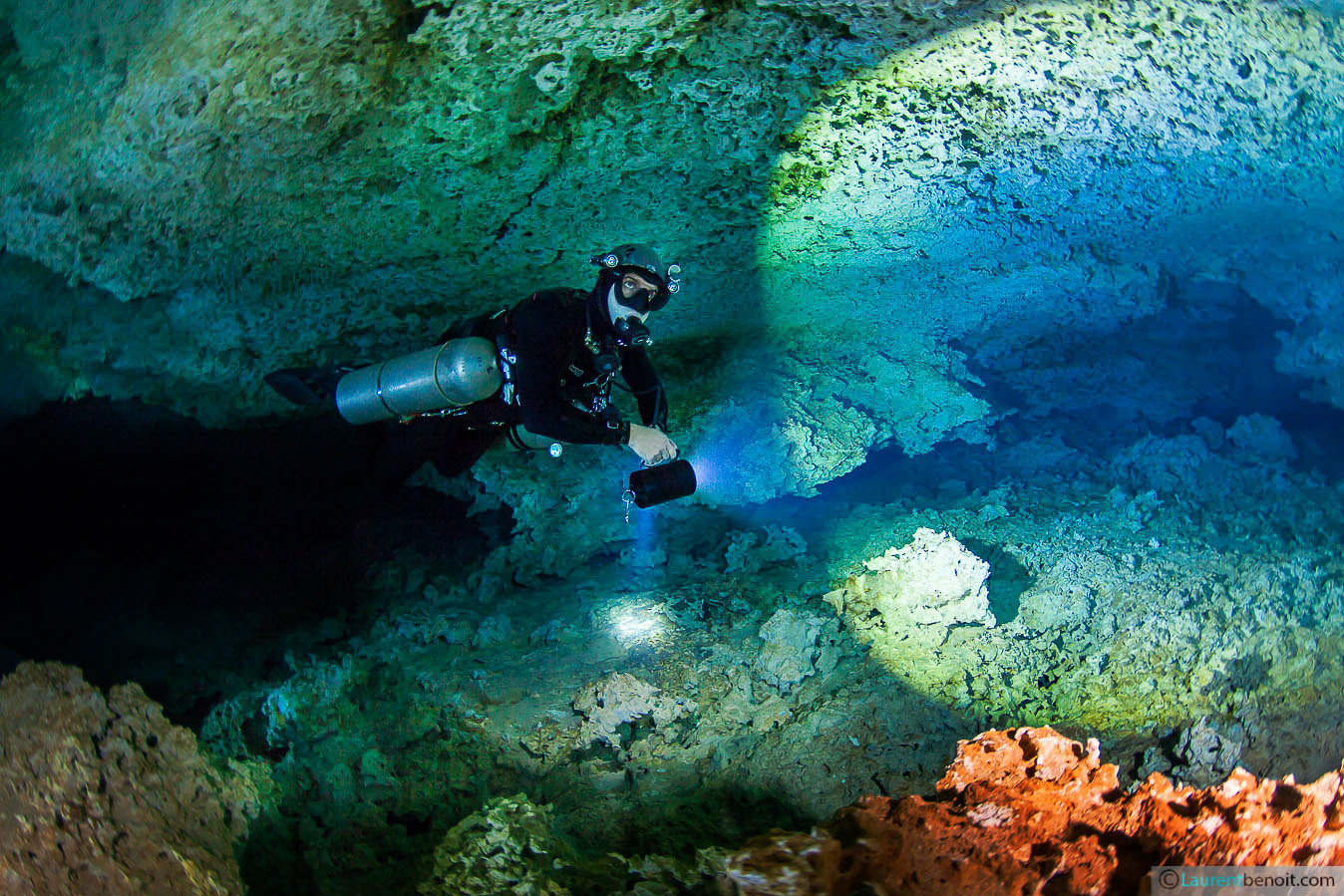
How To Choose An Underwater Flashlight
An underwater flashlight is an essential tool for divers, snorkelers, and underwater photographers. Whether exploring shipwrecks, navigating night dives, or enhancing visibility in murky waters, the right dive light can significantly improve safety and overall experience. However, not all underwater flashlights are built the same. Differences in brightness, beam angle, battery life, and waterproof ratings can greatly impact performance.
Choosing the best underwater flashlight requires understanding the specific conditions in which it will be used. Recreational divers may prioritize portability and ease of use, while technical divers often require higher lumens and extended battery capacity. Additionally, build quality and durability play crucial roles in ensuring long-term reliability under pressure.
By learning what features matter most, buyers can make informed decisions and invest in equipment that enhances visibility, safety, and confidence during underwater adventures.
Understand Brightness and Lumens
Brightness is measured in lumens, and it directly affects underwater visibility. Higher lumens provide stronger illumination, which is particularly important in deep or low-visibility conditions.
For recreational dives in clear water, a flashlight with 500 to 1000 lumens may be sufficient. Technical divers or night divers may require 1000 lumens or more for enhanced clarity.
Within practical online retail buying guides for diving equipment, understanding lumen ratings helps prevent overpaying for unnecessary features or underestimating lighting needs.
Selecting the appropriate brightness ensures effective performance without excessive battery drain.
Check Waterproof Rating and Depth Limits
Waterproof ratings determine how deep a flashlight can safely operate. Reputable underwater flashlights specify maximum depth limits, often measured in meters.
Divers should choose lights rated beyond their typical dive depth to ensure safety margins. For example, a diver planning 30-meter dives should consider lights rated for deeper conditions.
Sealed O-rings and corrosion-resistant materials enhance reliability. Stainless steel or anodized aluminum casings offer durability under pressure.
Investing in well-rated waterproof equipment protects both safety and financial investment.
Evaluate Beam Angle and Light Focus
Beam angle affects how light spreads underwater. Narrow beams concentrate light for spotting distant objects, while wide beams illuminate broader areas.
Technical divers often prefer narrow beams for cave or wreck penetration, whereas photographers may favor wider beams for balanced lighting.
Within trusted digital shopping tips for outdoor gear selection, beam angle evaluation helps align product features with intended use.
Adjustable beam settings provide versatility across different diving scenarios.
Consider Battery Type and Runtime
Battery life influences how long the flashlight can operate during dives. Rechargeable lithium-ion batteries offer convenience and long-term savings.
Disposable batteries may be suitable for occasional use but generate higher recurring costs. Checking runtime specifications ensures the light lasts throughout planned dive durations.
Quick charging capabilities enhance practicality for frequent divers.
Reliable power sources minimize the risk of sudden darkness underwater.
Assess Build Quality and Durability
Underwater flashlights must withstand pressure, saltwater exposure, and accidental drops. High-quality materials such as anodized aluminum resist corrosion.
Shock-resistant construction and secure grip design enhance usability. Textured handles prevent slipping when wearing gloves.
Reading customer reviews and product ratings offers insight into real-world durability.
Durable construction ensures consistent performance over time.
Compare Price and Warranty Coverage
Pricing varies based on brand reputation, features, and build quality. While budget-friendly options exist, extremely low prices may compromise reliability.
Warranty coverage indicates manufacturer confidence in product quality. A strong warranty protects buyers against defects.
Within competitive online retail buying guides for diving equipment, comparing warranties and after-sales support adds value to purchasing decisions.
Balancing cost with quality ensures long-term satisfaction and safety.
Conclusion
Choosing the best underwater flashlight involves careful consideration of brightness, waterproof ratings, beam angle, battery life, durability, and warranty coverage. Each feature directly influences performance and safety during dives. By evaluating specific needs—whether recreational exploration, technical diving, or underwater photography—buyers can select equipment tailored to their activities. Investing in high-quality materials and reliable power sources enhances long-term usability and confidence underwater. Comparing product reviews and warranty terms further supports informed purchasing decisions. With the right flashlight, divers can improve visibility, navigate safely, and fully enjoy their underwater adventures without unnecessary risk or equipment limitations.