Computer Technology
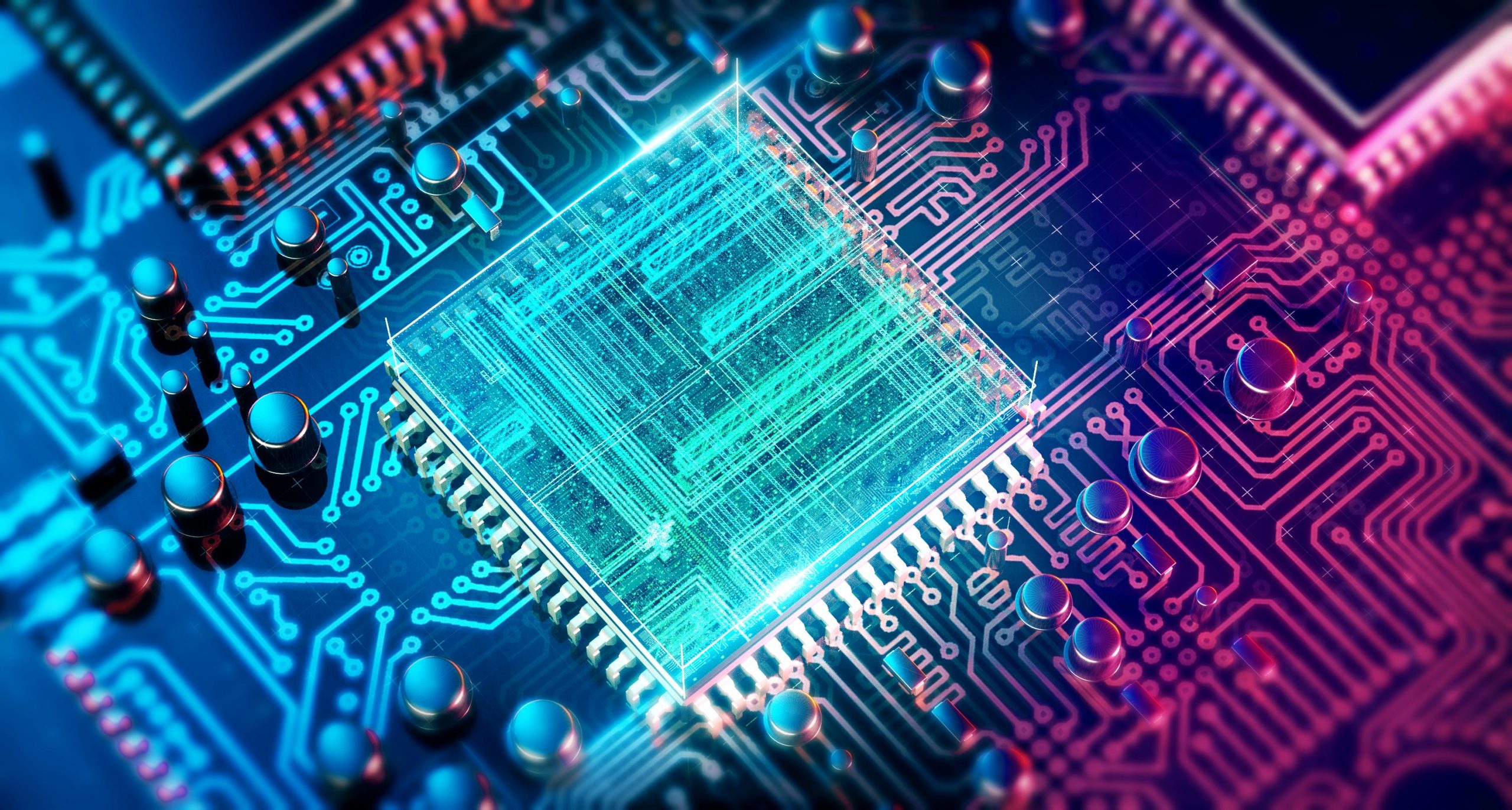
Computer technology has become the backbone of modern society, driving communication, business operations, education, healthcare, and entertainment. From personal laptops to powerful data centers, computing systems process vast amounts of information every second. What once required rooms filled with hardware can now be performed by compact, high-speed devices that fit into a backpack or even a pocket.
The rapid advancement of computer technology has transformed how individuals interact with information. Cloud computing, artificial intelligence, cybersecurity systems, and advanced processors continue to redefine efficiency and connectivity. Businesses rely heavily on digital infrastructure to manage data, streamline workflows, and compete in global markets.
Understanding computer technology is no longer limited to IT professionals. As digital tools shape everyday life, awareness of how computing systems function helps individuals adapt to technological change and make informed decisions in an increasingly connected world.
The Evolution of Computer Technology
Computer technology has evolved significantly over the past decades. Early computers were massive machines designed for specialized calculations. Today’s systems are smaller, faster, and more energy-efficient.
Advancements in microprocessors and semiconductor technology have increased processing speed while reducing hardware size. Personal computers, tablets, and smartphones now perform tasks once reserved for enterprise systems.
Within dynamic technology innovation and digital infrastructure advancements, continuous research drives performance improvements and cost efficiency.
The evolution of computing reflects society’s demand for speed, accessibility, and global connectivity.
Hardware Components and Their Functions
Computer hardware includes physical components such as the central processing unit (CPU), memory (RAM), storage devices, and input/output peripherals.
The CPU acts as the brain, executing instructions and managing processes. RAM provides temporary storage for active tasks, while hard drives or solid-state drives store long-term data.
Peripheral devices—such as keyboards, monitors, and printers—enable user interaction.
Understanding hardware basics clarifies how computing systems operate efficiently and respond to commands.
Software Systems and Operating Platforms
Software directs hardware functions and enables users to perform tasks. Operating systems like Windows, macOS, and Linux manage system resources and provide user interfaces.
Application software includes programs for productivity, design, communication, and entertainment. Cloud-based applications further extend capabilities beyond physical devices.
Within broader modern computing and smart technology solutions, integration between hardware and software ensures seamless performance.
Continuous software updates enhance security and improve user experience.
The Role of Cloud Computing
Cloud computing allows users to store data and run applications on remote servers rather than local devices. This model increases flexibility and scalability for businesses and individuals.
Cloud services reduce hardware costs and enable real-time collaboration across geographic locations. Companies leverage cloud platforms to improve operational efficiency.
Data backup and disaster recovery solutions also rely on cloud infrastructure.
The shift toward cloud systems reflects growing demand for remote accessibility and data security.
Cybersecurity and Data Protection
As computer technology advances, cybersecurity becomes increasingly critical. Protecting sensitive information from unauthorized access requires encryption, firewalls, and secure authentication systems.
Businesses invest heavily in cybersecurity strategies to prevent data breaches. Individuals also benefit from strong passwords and regular software updates.
Cybersecurity safeguards digital trust in online transactions and communication.
Maintaining security remains essential in the expanding digital ecosystem.
Emerging Trends in Computer Technology
Artificial intelligence, quantum computing, and edge computing represent emerging frontiers. AI enhances automation and predictive analytics, while quantum computing promises unprecedented processing capabilities.
Edge computing reduces latency by processing data closer to its source, improving performance for real-time applications.
Innovation continues to push boundaries in speed, efficiency, and problem-solving capacity.
These trends suggest that computer technology will remain central to global advancement.
Conclusion
Computer technology serves as the foundation of the modern digital world, influencing nearly every aspect of daily life and business operations. From hardware components and software platforms to cloud computing and cybersecurity systems, each element plays a crucial role in maintaining efficiency and connectivity. Ongoing innovation in artificial intelligence, quantum computing, and advanced infrastructure continues to expand possibilities and redefine productivity. As reliance on digital tools grows, understanding computer technology becomes increasingly important for both individuals and organizations. By embracing advancements responsibly and prioritizing security, society can harness the full potential of computing systems to drive progress and create sustainable digital solutions for the future.