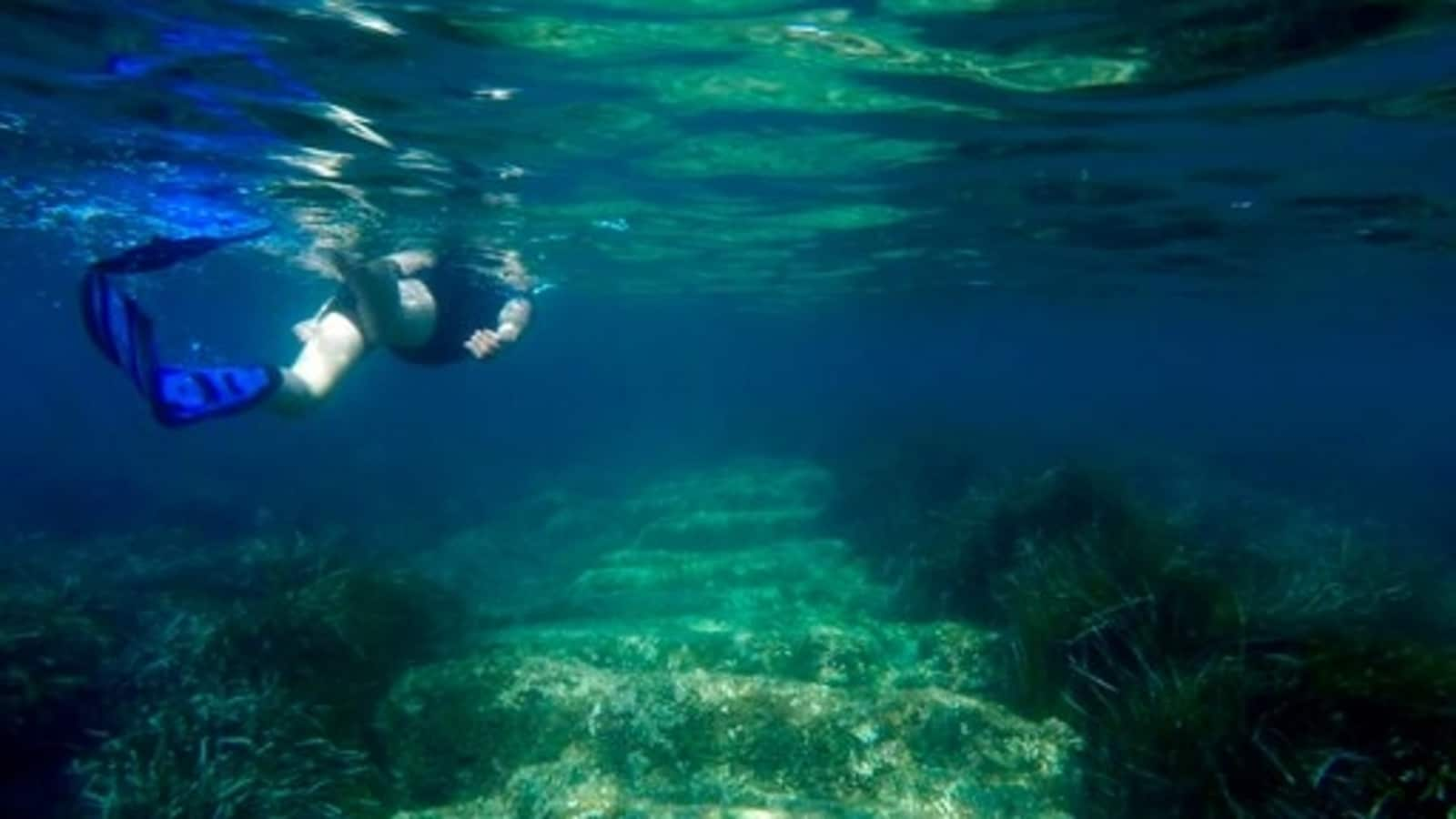
Dives Around The Zenobia Island
The Zenobia wreck is one of the most famous dive sites in the world, attracting scuba enthusiasts from across the globe. Located off the coast of Larnaca, Cyprus, this Swedish ferry sank in 1980 during its maiden voyage and now rests on the seabed, creating a fascinating artificial reef. Over the decades, the wreck has transformed into a thriving marine ecosystem and a bucket-list destination for divers of varying skill levels.
What makes diving around the Zenobia so unique is the combination of history, scale, and marine biodiversity. The massive structure remains largely intact, offering divers the chance to explore cargo decks, vehicles, and interior sections while surrounded by schools of fish. Whether experienced in wreck penetration or simply enjoying external exploration, divers can find routes suited to their comfort level.
Understanding the dive conditions, safety considerations, and highlights ensures a rewarding and memorable underwater adventure at this legendary site.
The History Behind the Zenobia Wreck
The MS Zenobia was a roll-on/roll-off ferry built in Sweden and launched in 1980. During its first voyage to Syria, a computerized ballast system malfunction caused the vessel to tilt uncontrollably. Despite attempts to stabilize it, the ship capsized and sank near Larnaca Harbor.
Fortunately, there were no fatalities, and most of the cargo—including trucks and trailers—remains inside the wreck today. The ship now lies on its port side at depths ranging from approximately 16 to 42 meters.
Within remarkable travel diving destination guides and underwater adventures, the Zenobia stands out as both a historical site and a marine habitat. Its preservation allows divers to witness a snapshot of maritime history frozen in time.
The story behind the wreck adds depth and intrigue to every dive experience.
Dive Conditions and Accessibility
The Zenobia wreck is accessible year-round due to Cyprus’ favorable Mediterranean climate. Water temperatures range from mild in winter to warm in summer, typically offering comfortable diving conditions.
Visibility often extends between 20 to 30 meters, allowing divers to appreciate the massive structure clearly. The depth range accommodates both intermediate and advanced divers, though certain interior penetrations require specialized training.
Calm sea conditions are common, making boat access relatively smooth. Dive centers in Larnaca provide guided trips and equipment rental for visitors.
Proper certification and adherence to safety guidelines are essential, especially when exploring deeper sections.
Marine Life Around the Wreck
Over time, the Zenobia has evolved into a vibrant artificial reef. Schools of barracuda, groupers, sea bream, and moray eels frequently inhabit the structure. Turtles occasionally visit the area as well.
The wreck’s surfaces are covered in sponges, corals, and algae, creating a colorful underwater landscape. This biodiversity enhances the diving experience beyond historical exploration.
Within popular adventure travel and scuba exploration experiences, marine life plays a significant role in making dives memorable.
Photographers often find the site ideal for capturing both large-scale wreck views and detailed marine close-ups.
Exploring the Cargo and Interior Sections
One of the Zenobia’s most fascinating features is the presence of over 100 trucks still secured within its cargo decks. Divers can observe these vehicles resting exactly as they were when the ship sank.
Penetration dives allow experienced individuals to explore interior corridors and compartments. However, such dives require advanced wreck certification and careful navigation.
For less experienced divers, external exploration still offers impressive views of the ship’s massive hull and propellers.
Respecting safety limits ensures an enjoyable and secure experience throughout the dive.
Best Time to Dive the Zenobia
Although diving is possible year-round, the most popular months are between May and October when water temperatures are warmer and weather conditions are stable.
Summer months attract more visitors, while spring and autumn provide quieter experiences with similar visibility.
Planning in advance helps secure bookings with reputable dive centers, particularly during peak seasons.
Seasonal considerations enhance overall comfort and convenience.
Safety Tips and Preparation
Divers should ensure they possess appropriate certification and experience for the intended dive profile. Checking equipment thoroughly before descent is essential.
Following dive guides’ instructions minimizes risks associated with depth and wreck penetration. Maintaining buoyancy control prevents accidental contact with the structure.
Surface intervals and hydration contribute to safe diving practices.
Preparedness and awareness ensure a safe and enjoyable exploration of this iconic site.
Conclusion
Diving around the Zenobia wreck offers a rare combination of maritime history, marine biodiversity, and thrilling underwater exploration. From its dramatic sinking story to its transformation into a thriving artificial reef, the site provides an unforgettable experience for scuba enthusiasts. Clear waters, accessible depths, and abundant marine life make it one of the Mediterranean’s premier dive destinations. Whether observing cargo trucks within the wreck or photographing vibrant sea life along its hull, divers encounter both adventure and reflection beneath the surface. Proper preparation, certification, and respect for safety guidelines ensure a rewarding visit. The Zenobia remains a testament to how unexpected events can create extraordinary travel experiences that continue to captivate explorers decades later.