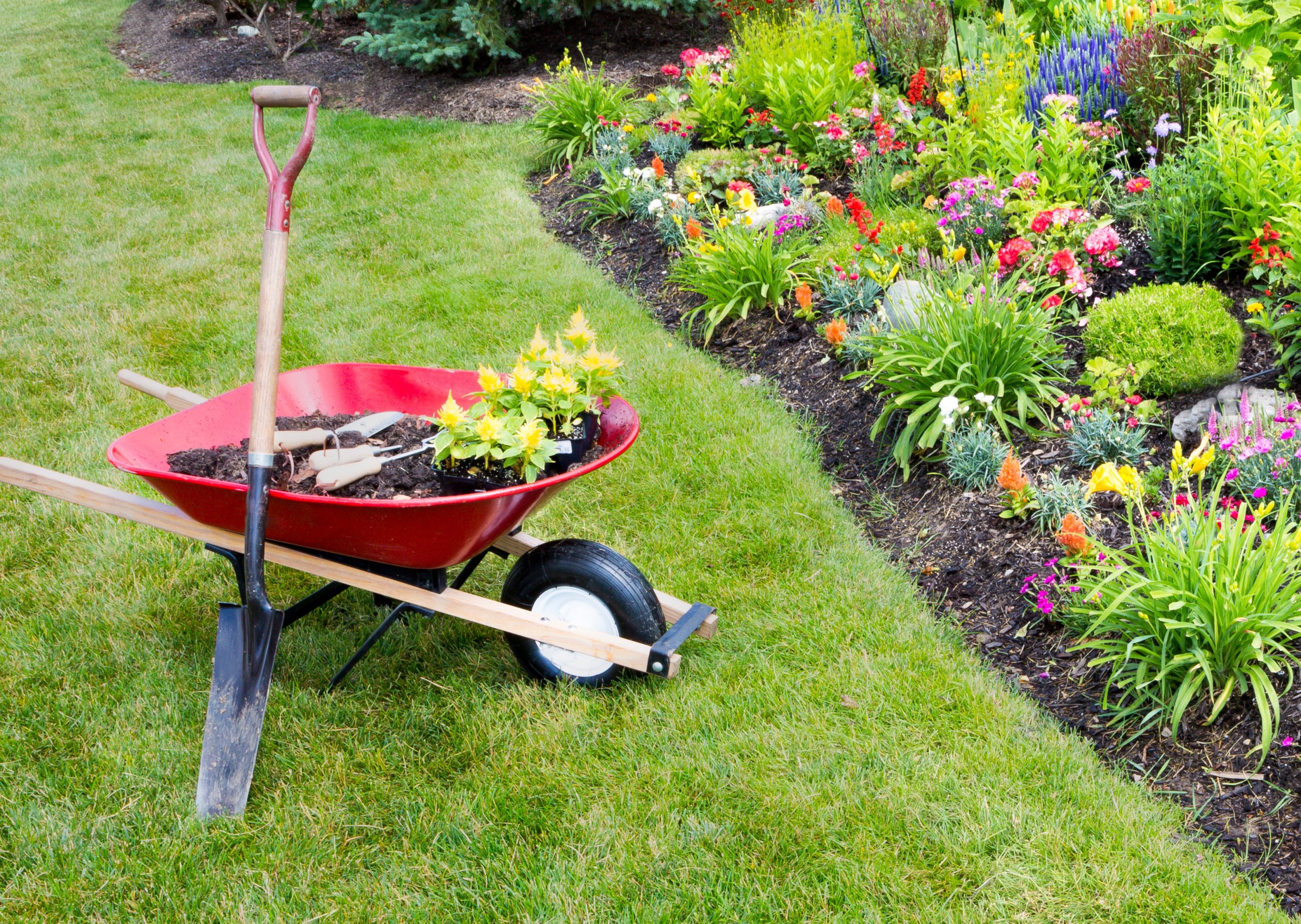
Gardening As A hobby
Gardening has long been cherished as more than just a practical activity—it is a fulfilling hobby that brings peace, creativity, and connection to nature. Whether tending to colorful flowers, cultivating vegetables, or caring for indoor plants, gardening offers a meaningful escape from the fast pace of modern life. It allows individuals to slow down, focus on growth, and witness the results of their patience and dedication.
Unlike many hobbies that require expensive equipment or specialized training, gardening can begin with simple tools and a small space. From backyard plots to balcony containers, anyone can cultivate plants and experience the satisfaction of nurturing life. Beyond its aesthetic appeal, gardening promotes mindfulness and physical activity, contributing to overall well-being.
Understanding why gardening remains a popular pastime reveals its deeper benefits—not only for the environment but also for mental and emotional health.
The Mental Health Benefits of Gardening
Spending time in the garden provides a natural form of stress relief. The repetitive actions of planting, watering, and pruning encourage mindfulness and relaxation. Many gardeners find that working with soil and greenery reduces anxiety and promotes a sense of calm.
Exposure to natural sunlight and fresh air also supports mood improvement. Gardening activities stimulate focus, helping individuals disconnect from daily stressors and digital distractions.
Within enriching hobbies and lifestyle enrichment activities, gardening stands out as a therapeutic practice. The sense of accomplishment from nurturing plants contributes to positive self-esteem.
Watching plants grow over time reinforces patience and appreciation for gradual progress.
Physical Activity and Outdoor Engagement
Gardening involves various physical movements, including digging, lifting, and bending. These activities contribute to moderate exercise, improving flexibility and strength.
Regular outdoor engagement enhances cardiovascular health and encourages an active lifestyle. Even light gardening tasks help maintain mobility.
Unlike structured workouts, gardening feels purposeful and enjoyable rather than routine exercise. The physical effort is naturally integrated into the process of caring for plants.
This combination of productivity and movement makes gardening both beneficial and sustainable as a hobby.
Creative Expression Through Plant Design
Gardening also serves as a form of artistic expression. Choosing plant combinations, arranging flower beds, and designing landscapes allow individuals to showcase creativity.
Color coordination, plant height variation, and seasonal themes contribute to visually appealing spaces. Gardeners experiment with textures and layouts to create harmonious environments.
Within inspiring creative hobby ideas for personal growth, gardening provides endless opportunities for customization. Each garden reflects the personality and preferences of its caretaker.
The evolving nature of plants ensures that no garden remains static, keeping the hobby dynamic and engaging.
Growing Your Own Food
Vegetable and herb gardening adds practical value to the hobby. Harvesting homegrown produce promotes healthier eating habits and reduces grocery expenses.
Growing food at home also increases awareness of seasonal cycles and sustainable practices. Organic gardening methods minimize chemical use and support environmental health.
Freshly harvested produce often tastes superior to store-bought options, enhancing the reward of cultivation.
This practical aspect transforms gardening into both a hobby and a lifestyle choice.
Environmental and Community Impact
Gardening contributes positively to the environment. Plants improve air quality, support pollinators, and enhance biodiversity. Even small gardens provide habitats for beneficial insects.
Community gardens foster social interaction and shared responsibility. Collaborating with neighbors builds connections and strengthens local bonds.
Sustainable gardening practices—such as composting and water conservation—further benefit the ecosystem.
Through collective effort, gardening can create greener and more vibrant communities.
Lifelong Learning and Patience
Gardening is a continuous learning process. Soil management, plant care, pest control, and seasonal adjustments require ongoing education.
Challenges such as plant diseases or weather fluctuations teach resilience and adaptability. Gardeners gradually refine techniques through experience.
The patience required to nurture plants from seed to harvest fosters discipline and perseverance.
This lifelong learning aspect keeps gardening engaging and intellectually stimulating.
Conclusion
Gardening as a hobby offers a unique combination of relaxation, creativity, physical activity, and environmental contribution. From improving mental well-being and encouraging outdoor engagement to fostering artistic expression and sustainable living, gardening enriches multiple aspects of life. Its accessibility makes it suitable for beginners and experienced enthusiasts alike, while its dynamic nature ensures continuous growth and learning. Whether cultivating decorative plants or growing fresh produce, gardeners experience the satisfaction of nurturing life and witnessing tangible results. Ultimately, gardening provides more than aesthetic beauty—it delivers meaningful fulfillment, personal development, and a lasting connection to nature.