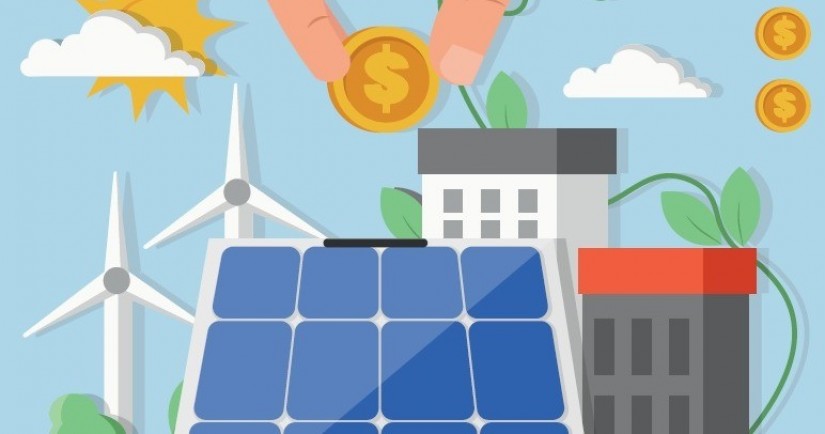
What Is Economy
The economy influences nearly every aspect of daily life, from employment opportunities and prices of goods to business growth and government policies. Yet many people use the word “economy” without fully understanding what it truly means. At its core, an economy refers to the system through which goods and services are produced, distributed, and consumed within a society.
Economic systems determine how resources are allocated, how businesses operate, and how wealth circulates among individuals and institutions. Whether local, national, or global, economies shape living standards and long-term development. They reflect patterns of supply and demand, labor productivity, investment, and innovation.
Understanding what an economy is—and how it functions—helps individuals make informed financial decisions and better comprehend market changes. Exploring economic fundamentals provides clarity on how societies manage resources and create opportunities for growth.
The Basic Definition of an Economy
An economy is a structured system that organizes the production, distribution, and consumption of goods and services. It encompasses individuals, businesses, governments, and institutions working together within a framework of rules and exchanges.
Every economy relies on limited resources such as labor, capital, land, and technology. These resources must be allocated efficiently to meet society’s needs and wants.
Within foundational business and economic development principles, resource management remains central. Decisions regarding production and distribution directly impact growth and stability.
Understanding this basic definition provides insight into how everyday transactions contribute to broader economic activity.
Key Components of an Economic System
An economic system includes several essential components: consumers, producers, markets, and regulatory institutions. Consumers demand goods and services, while producers supply them.
Markets act as platforms where buyers and sellers interact. Prices often adjust based on supply and demand dynamics. Governments may intervene to regulate trade, taxation, and public spending.
Financial institutions facilitate transactions by providing credit and managing currency circulation.
Together, these elements create interconnected networks that sustain economic activity.
Types of Economic Systems
Different countries adopt various economic systems. A market economy allows private ownership and free-market competition to determine prices and production levels.
A command economy involves government control over major industries and resource allocation. Mixed economies combine elements of both systems.
Within broader corporate growth and financial system insights, understanding system types clarifies how policies influence business operations and investment.
Each system presents advantages and challenges depending on societal priorities and governance structures.
The Role of Supply and Demand
Supply and demand form the foundation of economic theory. When demand for a product increases while supply remains constant, prices typically rise. Conversely, excess supply may lower prices.
This balance influences production decisions and consumer behavior. Businesses analyze market trends to adjust strategies accordingly.
Understanding supply and demand dynamics helps explain price fluctuations and market competition.
These principles operate in both local and global economies.
Economic Growth and Development
Economic growth refers to the increase in a country’s production of goods and services over time. It is often measured by Gross Domestic Product (GDP).
Development extends beyond numerical growth to include improvements in living standards, education, healthcare, and infrastructure.
Innovation, entrepreneurship, and investment drive sustainable development. Policies supporting stability and transparency encourage long-term prosperity.
Balanced growth strengthens economic resilience and opportunity.
Why Understanding the Economy Matters
Economic knowledge empowers individuals and businesses to make informed decisions. Understanding inflation, interest rates, and employment trends influences budgeting and investment strategies.
Businesses rely on economic indicators to forecast demand and manage expansion.
Informed citizens can better evaluate public policies and their potential impact.
Economic literacy fosters responsible financial planning and civic awareness.
Conclusion
An economy represents the complex system through which societies produce, distribute, and consume goods and services. By organizing limited resources and facilitating exchanges between consumers, producers, and institutions, economic systems shape living standards and business environments. Key components such as markets, supply and demand, financial institutions, and government policies interact to create dynamic and interconnected networks. Understanding different economic systems and the principles driving growth and development provides valuable insight into how businesses operate and how societies progress. Economic literacy not only enhances financial decision-making but also strengthens awareness of global and local market changes. Ultimately, a clear understanding of what an economy is allows individuals and organizations to navigate opportunities and challenges with greater confidence and strategic insight.